How to Find Used Home Gym Equipment Worth Buying
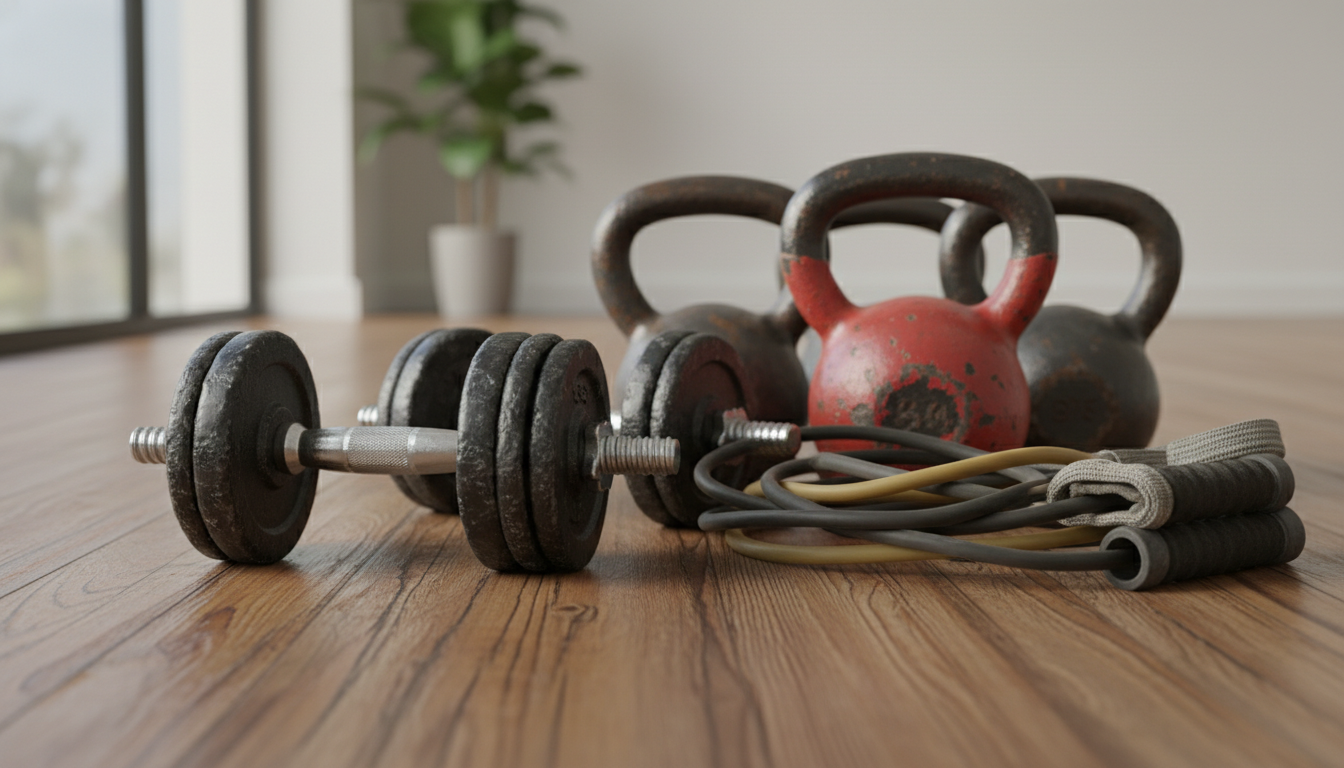
You want to build a solid home gym without paying retail prices. The good news: quality used equipment is everywhere — barbells, racks, and cable machines that gyms and homeowners offload for a fraction of what they cost new. The trick is knowing where to look and what to walk away from.
Where to Actually Find It
Facebook Marketplace is the single best source for used gym equipment in most metro areas. Search by zip code, filter by distance (25–50 miles is realistic for large items), and check daily — good listings move fast. Craigslist still produces results, especially for commercial-grade gear from closing gyms or fitness studios.
Beyond the obvious platforms, check these:
- OfferUp — strong in Sun Belt cities; lots of pandemic-era gear still trickling out
- NextDoor — neighbors moving or downsizing often post before going to Marketplace
- YMCA and commercial gym liquidations — Google “[your city] gym liquidation” or check local auction sites like BidSpotter
- Play It Again Sports — physical stores that buy and resell fitness equipment; inspected and priced fairly
Estate sales (via EstateSales.net) occasionally yield barbells and plates still in original packaging. These are underused sources most buyers skip.
What to Buy Used (and What to Skip)
Some equipment holds up for decades with zero maintenance. Other pieces depreciate for a reason.
Safe bets used:
- Cast iron or steel weight plates — nearly indestructible
- Barbells (inspect closely — more below)
- Power racks and squat stands
- Adjustable dumbbells like Bowflex SelectTech 552 if the mechanism is intact
- Plyo boxes, kettlebells, pull-up bars
Avoid used:
- Treadmills and ellipticals older than 5–7 years — motors and belts are expensive to replace
- Resistance bands (degrade invisibly; snap risk)
- Bench padding that’s cracked or compressed flat
- Any cable machine where you can’t inspect every pulley and cable under load
The single best used purchase for most people is weight plates. A 45-lb cast iron plate doesn’t wear out. Paying $0.50–$1.00/lb used vs. $1.50–$2.00/lb new adds up fast when you’re buying 300 lbs of iron.
How to Inspect a Used Barbell
A barbell is the most important structural purchase in a home gym. A bad one is unsafe; a good one lasts 20+ years.
Check these in person before buying:
- Spin — sleeves should rotate freely with no grinding. Stiff sleeves are annoying; grinding means damaged bearings or bushings.
- Straightness — roll it on a flat surface or eye it down the length. Any visible wobble means it’s bent.
- Knurling — worn knurling isn’t a dealbreaker, but aggressive knurling should still have texture you can feel.
- Rust — surface rust wipes off; deep pitting weakens the bar. Run a finger across the shaft and sleeves.
- Rated capacity — ask for the brand and model. A Rogue Ohio Bar used at $200 is a deal. An unbranded bar with no specs is a liability.
If the seller can’t tell you the brand or rated capacity, walk away.
Pricing: What’s Fair
Used gym equipment pricing is all over the place. Here are realistic ranges for quality gear in decent condition:
- Cast iron plates — $0.40–$0.90/lb
- Olympic barbell (name brand) — $100–$250 depending on model and condition
- Power rack (Reps, Rogue, Titan) — 40–60% of retail if used under 3 years
- Adjustable bench — $80–$180 for a commercial-style flat/incline bench
- Cable machine or functional trainer — $300–$800 for commercial units; avoid cheap home models even used
If someone’s asking full retail for used gear, move on. There’s always another listing.
Negotiating and Logistics
Most sellers on Marketplace price with negotiation in mind. Offering 15–20% below ask on the first message is normal and rarely offensive. Showing up in person with cash and no complaints usually gets another 5–10% off.
For heavy items — racks, cable machines, large plate sets — you need a truck or a trailer. Factor that in before you get excited about a deal. Some sellers will help load; almost none will help unload at your end.
Bring a tape measure. Know your garage or basement dimensions before you go. A Titan T-3 Power Rack is a great deal until you realize it doesn’t fit through your door.
Building a Full Setup on a Budget
A realistic used starter setup — barbell, 300 lbs of plates, a rack, and a bench — can be assembled for $400–$700 if you’re patient. That same setup runs $1,200–$1,800 new.
Prioritize the barbell and rack first. Add plates over time as listings appear. An XMark Adjustable Bench used is a worthy pickup once your primary lifting station is dialed in.
Check Marketplace every morning for two or three weeks. Deals appear and disappear within hours. The people who build great home gyms on the cheap are simply the ones who check consistently.
Bottom line: Facebook Marketplace and Craigslist are your primary hunting grounds. Plates, racks, and barbells are safe used buys — treadmills and cables are not. Inspect before you commit, know the fair price range, and have a truck lined up before you find something worth buying.